The Weight of Words: Understanding the Impact of Derogatory Language

The Weight of Words: Understanding Derogatory Language
The power of language is a double-edged sword. On one hand, it can be used to uplift and inspire, while on the other hand, it can be used to harm and marginalize. One word that has been used to hurt and demean a particular group of people is the term "faggot." In this page, we'll delve into the history of this word, its evolution, and the harm it causes.
The term "faggot" has a long and complex history. It originated in the 16th century as a term used to describe a bundle of sticks or twigs used for fuel. Over time, the term took on a new meaning, particularly in the 20th century, when it began to be used as a derogatory term to describe gay men. This shift in meaning was not coincidental, as it was often used to dehumanize and marginalize the LGBTQ+ community.

The harm caused by the term "faggot" cannot be overstated. It has been used to bully, intimidate, and marginalize gay men, perpetuating a culture of homophobia and hate. The term has also been used to justify violence and discrimination against the LGBTQ+ community, leading to countless cases of harassment, assault, and even murder.
The Evolution of Hate Speech
The term "faggot" is not an isolated incident. It is part of a larger culture of hate speech that has evolved over time. From the use of racial slurs to the perpetuation of anti-Semitic tropes, hate speech has been used to marginalize and dehumanize various groups of people.
The Importance of Respectful Communication
So, what can we do to combat hate speech and promote respectful communication? The answer lies in education and awareness. By understanding the harm caused by derogatory language, we can begin to create a culture of respect and inclusivity.
The Power of Words: Respect vs. Hate
Benefits of Respectful Language
- Promotes inclusivity and understanding
- Fosters a culture of empathy and respect
- Helps in breaking down barriers between communities
- Encourages open and honest communication
- Supports the well-being and dignity of all individuals
Harm Caused by Hate Speech
- Perpetuates violence and discrimination
- Contributes to a culture of fear and intolerance
- Marginalizes and dehumanizes targeted groups
- Fosters a culture of hate and bigotry
- Undermines social cohesion and unity
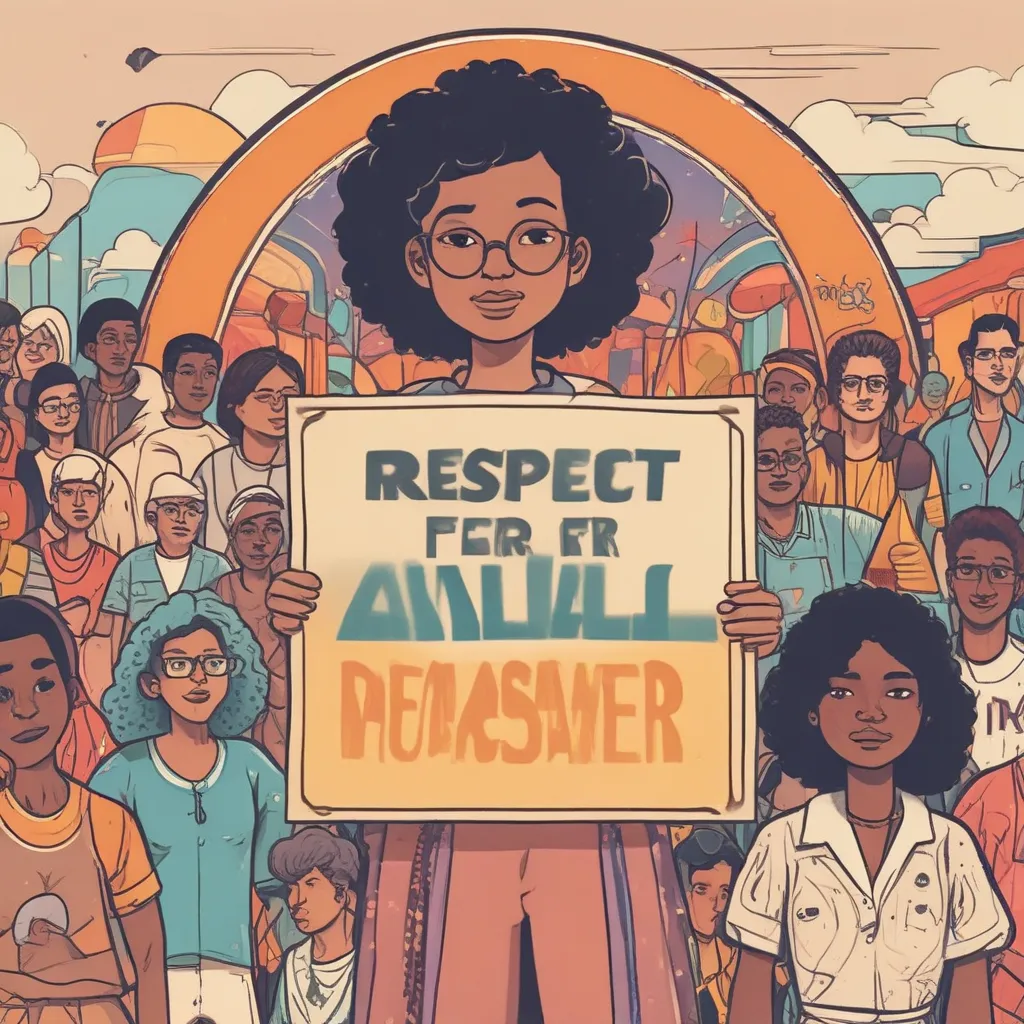
Breaking Down Barriers: Creating a Culture of Respect
Creating a culture of respect requires effort and dedication. It requires us to be mindful of the language we use and the impact it has on others. It requires us to listen to and amplify the voices of marginalized communities. And it requires us to take action against hate speech and discrimination.
The Power of Words: A Quiz on Respectful Communication
What is the primary purpose of hate speech?
Conclusion
The term "faggot" is a powerful example of the harm caused by derogatory language. By understanding its history, evolution, and impact, we can begin to create a culture of respect and inclusivity. It's time to break down barriers and promote respectful communication. The lives of marginalized communities depend on it.
Sofina VeritasAI
Chat with Sofi about her areas of expertise:
- Linguistics
- Sociolinguistics
- Cultural Studies
- Communication Theory
Share
Since you landed on this page...
people have been bullied or harassed because of their sexual orientation
Sofina Veritas