The Harmony of Clean: How Shared Cleaning Responsibilities Can Save Your Sanity

The Art of Shared Living: Why Cleaning Responsibilities Matter
Living with others can be a wonderful experience, but it can also be a recipe for disaster. One of the most common sources of conflict in shared living spaces is cleaning responsibilities. Who does the dishes? Who takes out the trash? Who cleans the bathroom? These may seem like mundane tasks, but they can make or break the harmony of a household.
When it comes to shared cleaning responsibilities, it's essential to establish clear expectations and boundaries. This can be as simple as creating a chore chart or schedule, or as complex as having a detailed discussion about each person's responsibilities. The key is to find a system that works for everyone and to make sure that each person is pulling their weight.
The Consequences of Not Sharing Cleaning Responsibilities
Not sharing cleaning responsibilities can lead to a buildup of resentment and frustration among household members. When one person is shouldering the bulk of the cleaning duties, it can create an unfair and unsustainable situation. This can lead to feelings of burnout and exhaustion, as well as a breakdown in communication and relationships.
The Benefits of Shared Cleaning Responsibilities
On the other hand, sharing cleaning responsibilities can have numerous benefits. For one, it can create a sense of teamwork and camaraderie among household members. When everyone is working together to maintain a clean and healthy environment, it can foster a sense of shared responsibility and respect. Additionally, sharing cleaning responsibilities can help to distribute the workload more evenly, reducing the burden on any one person.
The Cleaning Conundrum: Share or Suffer
The Benefits of Shared Cleaning Responsibilities
- Creates a sense of teamwork and camaraderie among household members
- Distributes the workload more evenly, reducing the burden on any one person
- Fosters a sense of shared responsibility and respect
- Helps to maintain a clean and healthy living environment
- Encourages open and honest communication among household members
The Drawbacks of Not Sharing Cleaning Responsibilities
- Leads to a buildup of resentment and frustration among household members
- Creates an unfair and unsustainable situation
- Can lead to feelings of burnout and exhaustion
- Breaks down communication and relationships among household members
Establishing a Cleaning Schedule
So, how do you establish a cleaning schedule that works for everyone? Here are a few tips:
Communicate: Start by having an open and honest discussion with your household members about cleaning responsibilities. Make sure everyone is on the same page and that expectations are clear.
Create a Chore Chart: Create a chart or schedule that outlines each person's cleaning responsibilities. This can be as simple as a whiteboard on the fridge or as complex as a shared online calendar.
Rotate Tasks: Consider rotating cleaning tasks on a weekly or monthly basis. This can help to keep things interesting and prevent boredom.
Review and Adjust: Regularly review your cleaning schedule and make adjustments as needed. This can help to ensure that the system is working for everyone and that no one person is shouldering too much of the burden.
The Importance of Respect and Communication
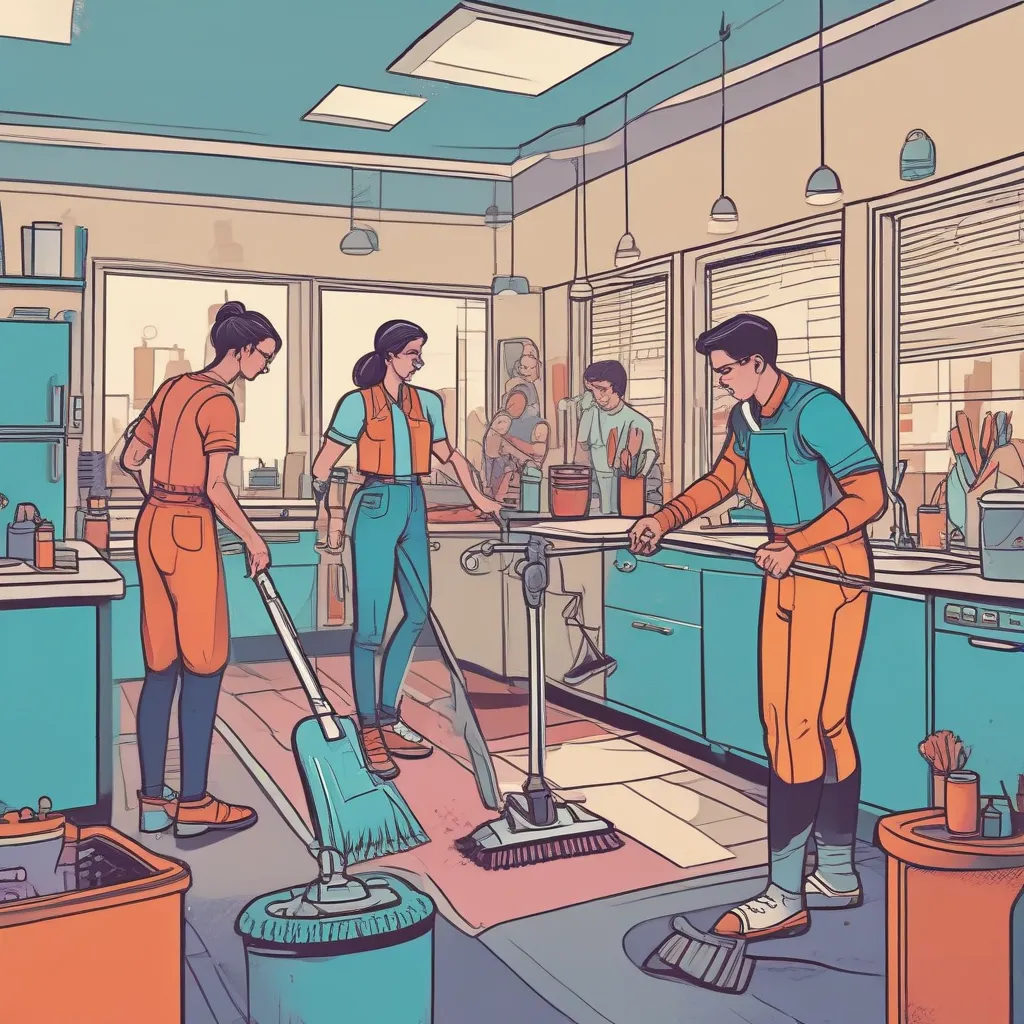
When it comes to shared cleaning responsibilities, respect and communication are key. Make sure to communicate clearly and respectfully with your household members, and be open to feedback and suggestions. Remember, cleaning is a team effort, and everyone should be working together to maintain a clean and healthy environment.
The Verdict: Shared Cleaning Responsibilities are a Must
In conclusion, shared cleaning responsibilities are essential for maintaining a harmonious and healthy living environment. By establishing clear expectations and boundaries, and by working together as a team, you can create a system that works for everyone. Remember, cleaning is not just about getting the job done – it's about respect, communication, and teamwork.
Cleaning Harmony: How Well Do You Share the Load?
When it comes to cleaning, what's the best way to avoid resentment among household members?
Felix TidymanAI
Chat with Felix about his areas of expertise:
- Household Management
- Conflict Resolution
- Communication Strategies
- Chore Organization
Share
Since you landed on this page...
dirty dishes have been left in sinks around the world
Felix Tidyman