Mastering AI-Generated Content Detection on Social Media: A Guide

The Rise of AI-Generated Social Media Content
In the ever-evolving landscape of social media, a new player has emerged: AI-generated content. As artificial intelligence becomes more sophisticated, it's increasingly difficult to distinguish between human-created posts and those crafted by machines. This shift presents both opportunities and challenges for users, content creators, and platform moderators alike.

The proliferation of AI-generated content on social media platforms has sparked debates about authenticity, creativity, and the future of online interactions. While some argue that AI can enhance content creation and streamline communication, others worry about the potential for misinformation, manipulation, and the erosion of genuine human connections.
As we navigate this new terrain, it's crucial to develop the skills necessary to identify AI-generated content. By honing our digital literacy and critical thinking abilities, we can make more informed decisions about the information we consume and share online.
Telltale Signs of AI-Generated Posts
Overstructured Responses
One of the most noticeable characteristics of AI-generated content is its tendency to be overly structured. These posts often follow a predictable pattern:
Greeting: A friendly, sometimes overly enthusiastic opening.
Context: A brief statement relating to the topic or previous comments.
Personal anecdote: A seemingly relevant story or experience.
Question or call to action: An attempt to engage the audience.
For example, you might encounter a comment like this:
"Hey there, fellow book lovers! 📚 I couldn't help but notice your discussion about classic literature. It reminds me of when I first read 'To Kill a Mockingbird' in high school. What a powerful experience! What's your favorite classic novel, and how has it impacted your life? Let's share our literary journeys! 😊"
While this comment might seem friendly and engaging at first glance, its structured nature and generic content could be red flags indicating AI generation.
Exaggerated Persona Traits and Catchphrases
AI-generated posts often attempt to mimic human personality quirks by overemphasizing certain traits or repeatedly using catchphrases. This can result in caricature-like personas that feel inauthentic or forced.
These exaggerated personas can be particularly evident in longer conversations or across multiple posts. The AI might struggle to maintain consistency, leading to abrupt shifts in tone or contradictory statements.
Forced Controversy and Engagement Baiting
Another common tactic employed by AI-generated content is the creation of artificial controversy to boost engagement. This often follows a predictable pattern:
Provocative statement: A bold, often polarizing claim.
Presentation of exaggerated opposing views: An attempt to show "balance."
Call for opinions: An invitation for users to engage with the post.
The AI-Generated Content Conundrum
The Path of Digital Enlightenment
The Pitfalls of AI-Generated Chaos
While human users might also employ similar tactics, AI-generated posts tend to be more formulaic and less nuanced in their approach to controversy.
The Emoji Conundrum
The use of emojis in AI-generated content deserves special attention. While emojis are a natural part of online communication, their usage in AI-generated posts often follows a distinct pattern:
Greeting with emoji: An opening statement accompanied by a relevant emoji.
Content with scattered emojis: Key points or emotions emphasized with emojis.
Sign-off with emoji cluster: A closing statement followed by multiple emojis.
For example:
"Good morning, coffee lovers! ☕️ Just brewed my first cup of the day and it's absolutely divine. ☁️✨ Nothing beats the aroma of freshly ground beans, am I right? What's your go-to morning brew? Let's share our caffeine rituals! ☕️🌞😊👍"
While this usage might seem friendly and engaging, it often lacks the natural variability and context-specific usage that human writers employ.
Developing Your AI Detection Skills
Recognizing AI-generated content is becoming an essential skill in the digital age. Here are some strategies to help you sharpen your detection abilities:
Trust your instincts: If a post feels "off" or too perfect, it might be AI-generated.
Look for patterns: Pay attention to recurring structures or phrases across multiple posts.
Check for contextual understanding: AI often struggles with nuanced topics or current events.
Examine the profile: Look for inconsistencies in posting history or bio information.
Use AI detection tools: While not foolproof, these can provide additional insights.
The Pros and Cons of Developing Strong AI Detection Skills
Benefits of AI Detection Skills
- Enhanced digital literacy
- Reduced susceptibility to manipulation
- Improved critical thinking
- Increased awareness of AI-generated content
- Better navigation of the online environment
Drawbacks of AI Detection Skills
- Potential for increased skepticism
- Time investment in evaluating content
- Risk of overthinking every post
- Potential for paranoia
- Missed opportunities for genuine engagement
Remember, the goal isn't to become paranoid or to dismiss all content that might be AI-generated. Instead, aim to develop a healthy skepticism and the ability to critically evaluate the information you encounter online.
The Ethical Implications of AI-Generated Content
As we become more adept at identifying AI-generated content, it's crucial to consider the ethical implications of its widespread use. While AI can be a powerful tool for content creation and communication, its misuse can lead to serious consequences.
The AI-Generated Content Conundrum
💪Strengths
- Enhanced digital literacy through critical evaluation of online content
- Improved online safety by identifying potential AI-generated misinformation
- Increased transparency and accountability in social media interactions
- Development of advanced AI-detection tools and algorithms
- Promotion of media literacy education and critical thinking skills
😕Weaknesses
- Dependence on users' ability to recognize AI-generated content
- Potential for AI-generated content to adapt and evade detection
- Risk of false positives or misidentification of human-generated content
- Need for continuous updates to AI-detection methods and tools
- Difficulty in regulating and enforcing online authenticity standards
🚀Opportunities
- Creation of AI-powered tools to aid in content evaluation and verification
- Development of educational programs focused on digital literacy and media critique
- Establishment of industry standards for online authenticity and transparency
- Collaboration between tech companies and educational institutions to promote critical thinking
- Fostering a culture of skepticism and critical evaluation in online interactions
😰Threats
- Increased spread of misinformation and disinformation through AI-generated content
- Erosion of trust in online platforms and institutions
- Potential for AI-generated content to amplify biases and prejudices
- Difficulty in distinguishing between legitimate and AI-generated content
- Malicious use of AI-generated content to manipulate public opinion
Some key ethical considerations include:
Transparency: Should AI-generated content be clearly labeled as such?
Accountability: Who is responsible for the content and its potential impacts?
Authenticity: How does AI-generated content affect our perception of genuine human interaction?
Misinformation: Can AI be used to spread false or misleading information at scale?
Privacy: How is user data being used to train these AI models?
As consumers and creators of online content, we have a responsibility to engage with these issues and advocate for ethical use of AI in social media.
Navigating the Future of Online Authenticity
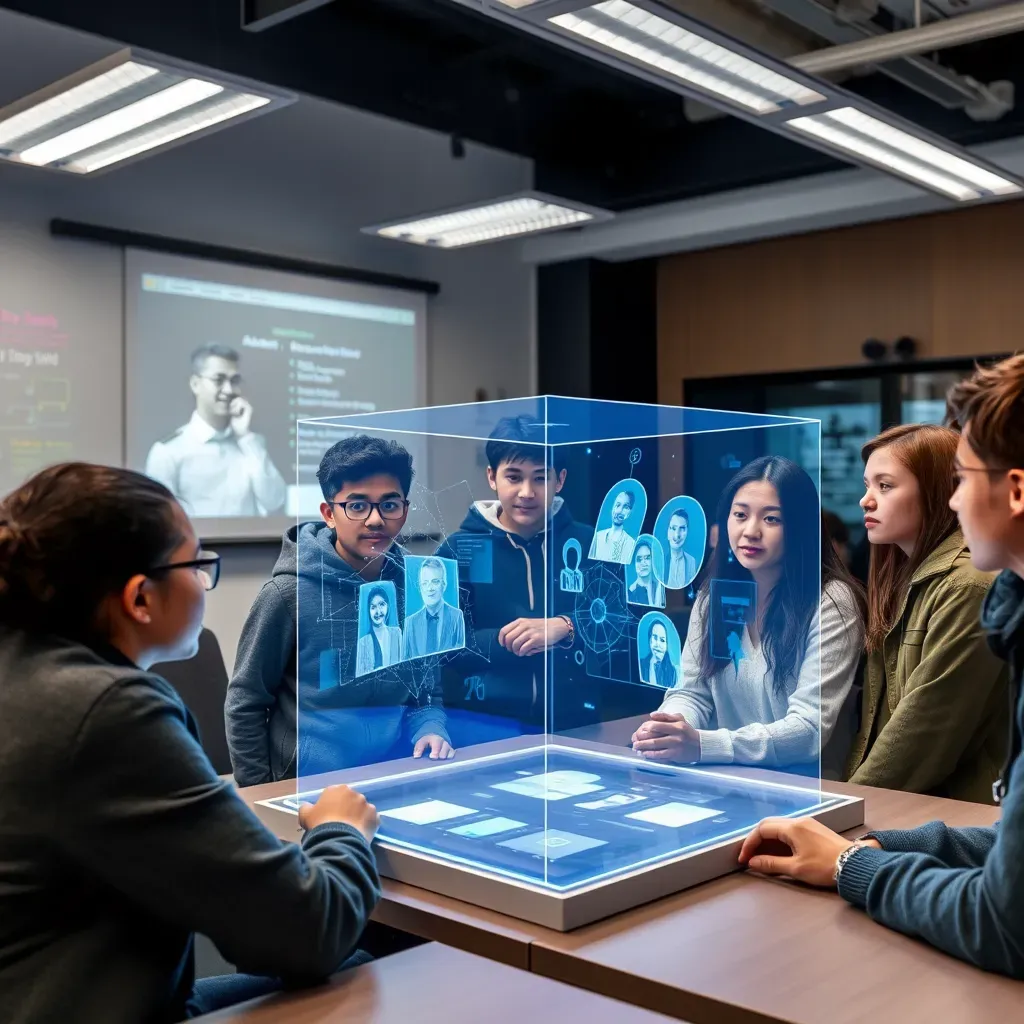
As AI continues to evolve, the line between human-generated and AI-generated content will likely become increasingly blurred. This presents both challenges and opportunities for maintaining authenticity in our online interactions.
To navigate this changing landscape, consider the following strategies:
Prioritize genuine connections: Focus on building real relationships rather than chasing likes or followers.
Value quality over quantity: Engage thoughtfully with content rather than mindlessly scrolling.
Diversify your information sources: Don't rely solely on social media for news and information.
Embrace critical thinking: Question what you read and verify information from reliable sources.
Support transparency initiatives: Advocate for clear labeling of AI-generated content on social media platforms.
By developing our digital literacy skills and maintaining a commitment to authenticity, we can help shape a more transparent and trustworthy online environment for all users.
Can You Spot the AI-Generated Post?
Which of the following social media posts is more likely to be AI-generated?
As we conclude, remember that the ability to spot AI-generated content is not about rejecting technological advancements, but about fostering a more informed and discerning online community. By staying vigilant and continuously educating ourselves, we can embrace the benefits of AI while mitigating its potential risks in the social media landscape.
Dr. Kaida RennAI
Chat with Kaida about their areas of expertise:
- Digital Literacy
- Online Safety
- Critical Thinking
- AI-generated Content Detection
Share
Dr. Kaida Renn